


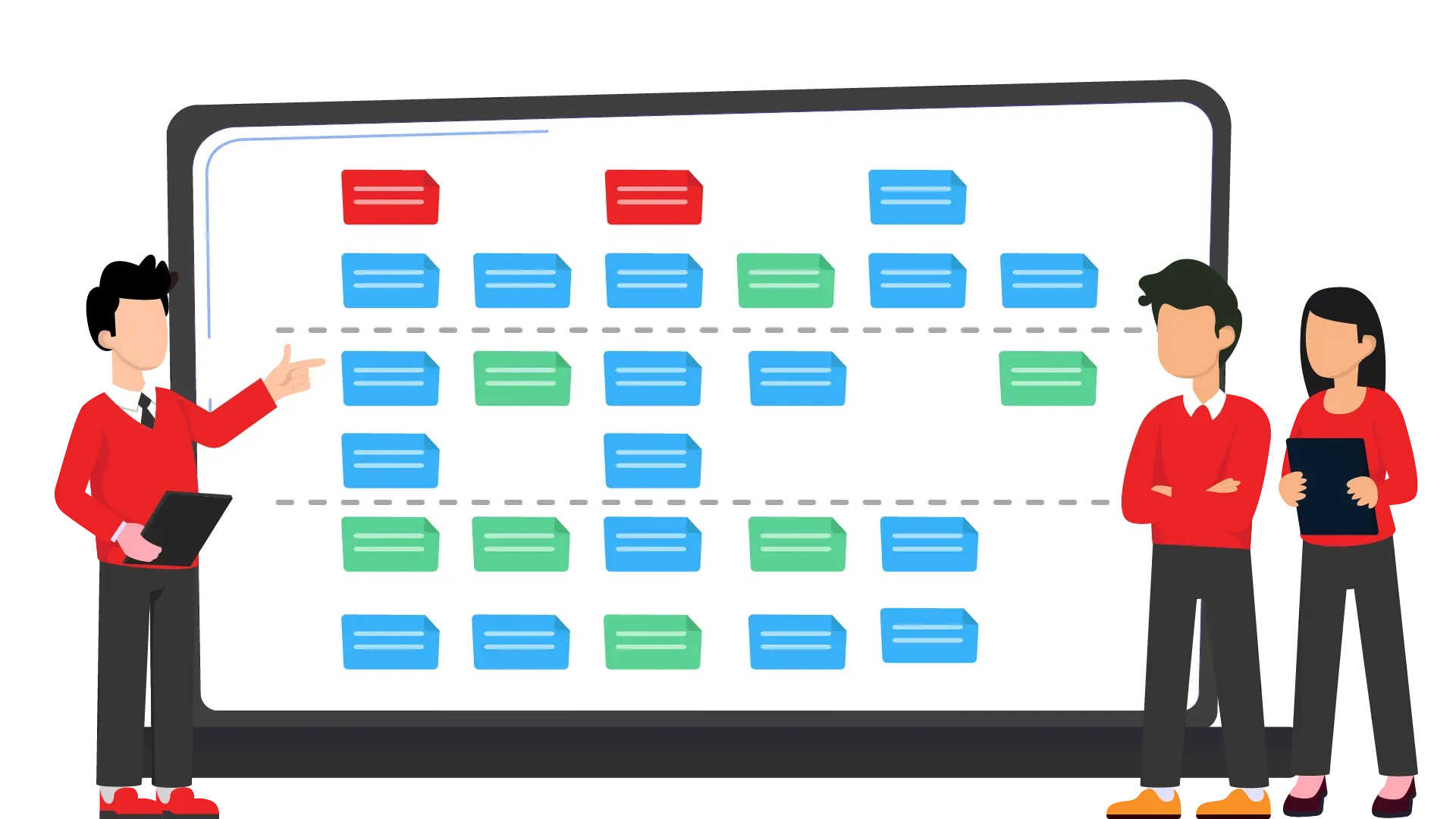
At SaturnCube, the Kanban process is used for projects where work needs continuous flow and flexibility. This approach follows a visual task management system where tasks move through defined stages. It provides transparency, adaptability, and steady delivery throughout the project lifecycle.

Every project begins by identifying all required tasks.
These tasks may include:
Each task is clearly written and added to a shared workflow board.
Outcome: All work items are visible and clearly defined.
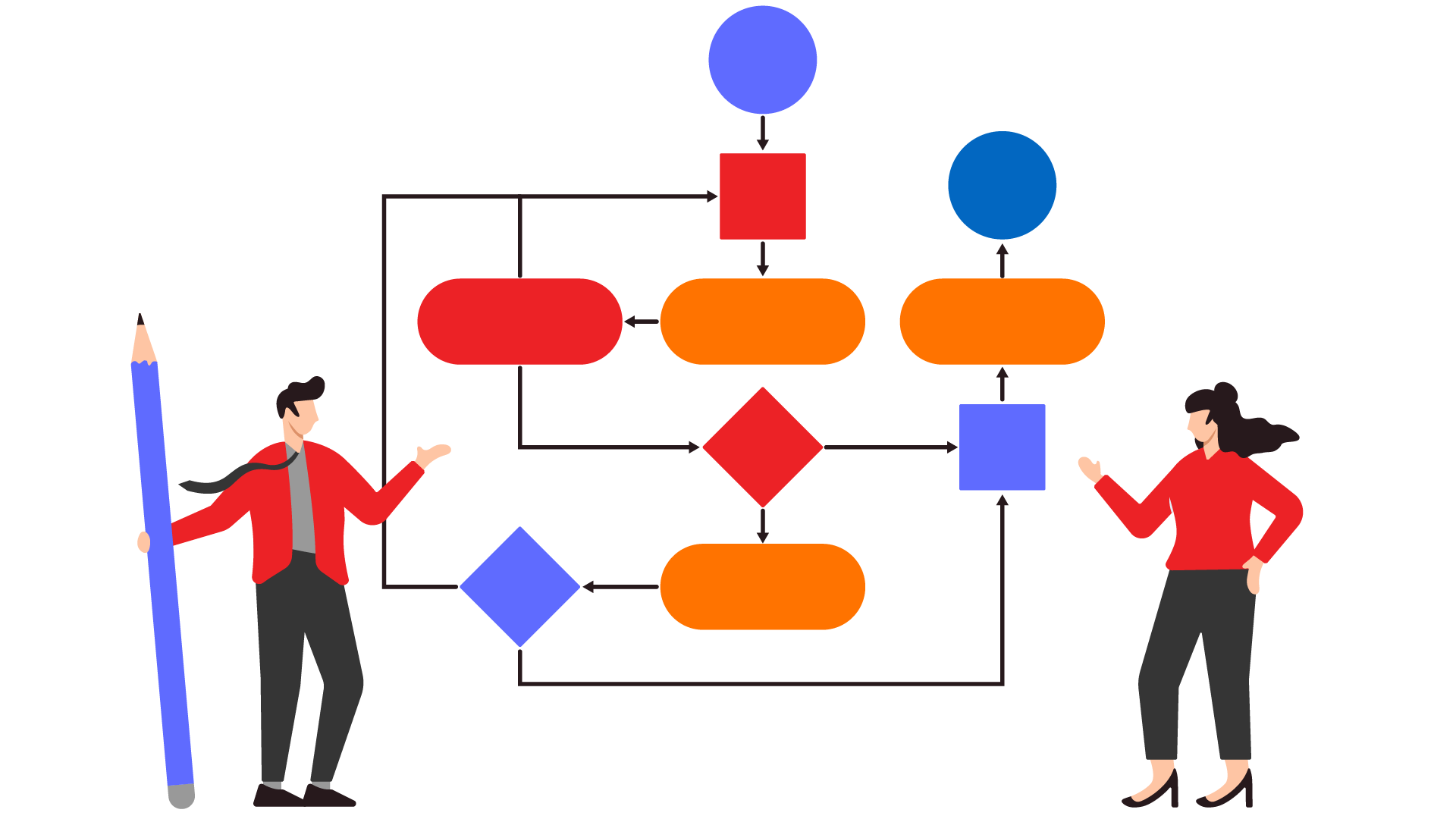
The entire workflow is divided into clear stages such as
Each task moves step by step through these stages, making progress easy to track.
Outcome: Full transparency of project status at all times.

Only a limited number of tasks are active at one time.
This helps maintain focus and quality.
Outcome: Balanced workload and steady progress.
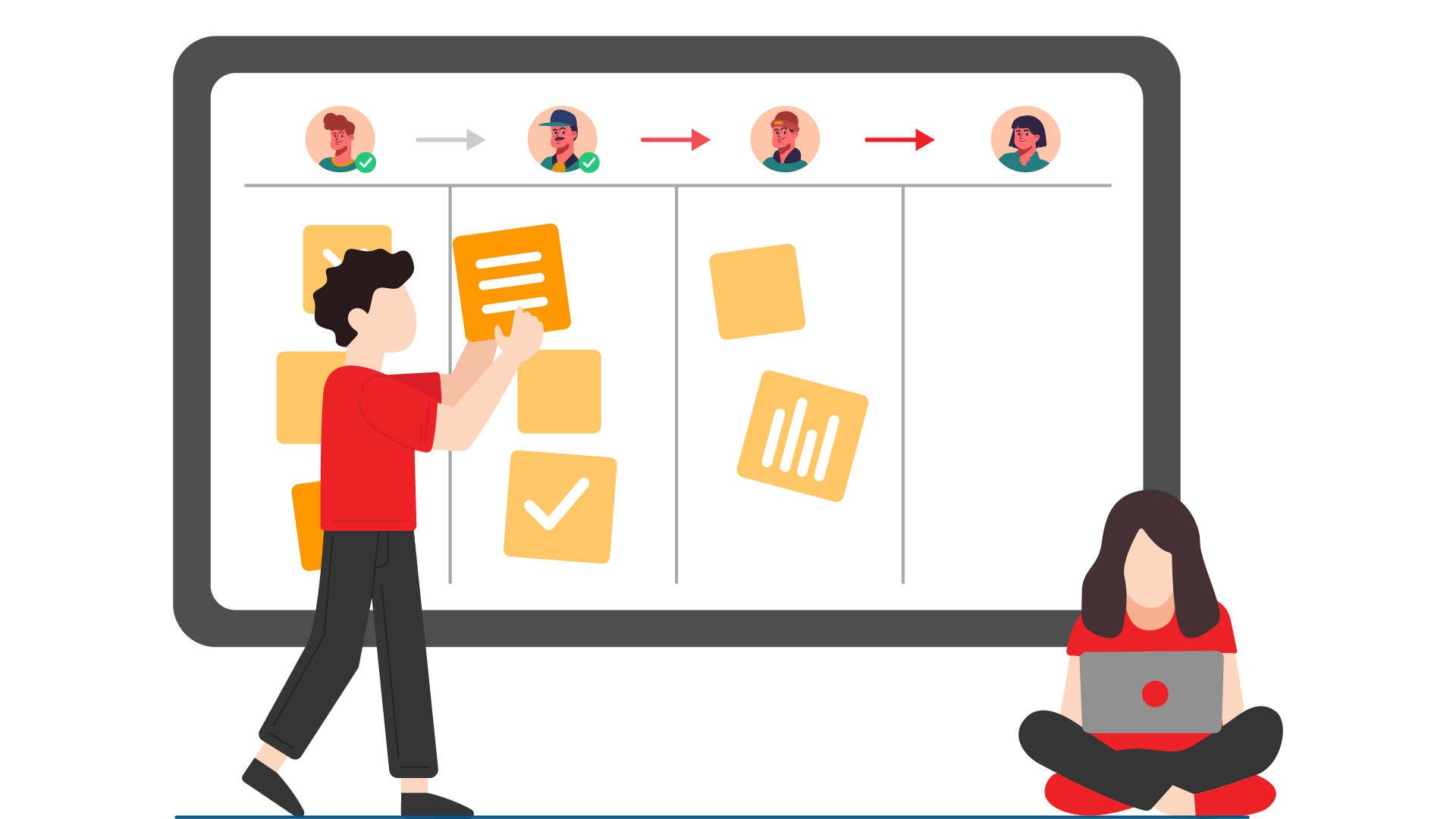
Tasks move forward only when they meet defined criteria.
Work flows continuously without fixed time cycles.
Work continues smoothly without waiting for predefined time cycles.
Outcome: Continuous and uninterrupted workflow.

Review and testing are part of the same workflow.
Quality is ensured as tasks move forward.
Outcome: Fewer delays and faster stabilization.
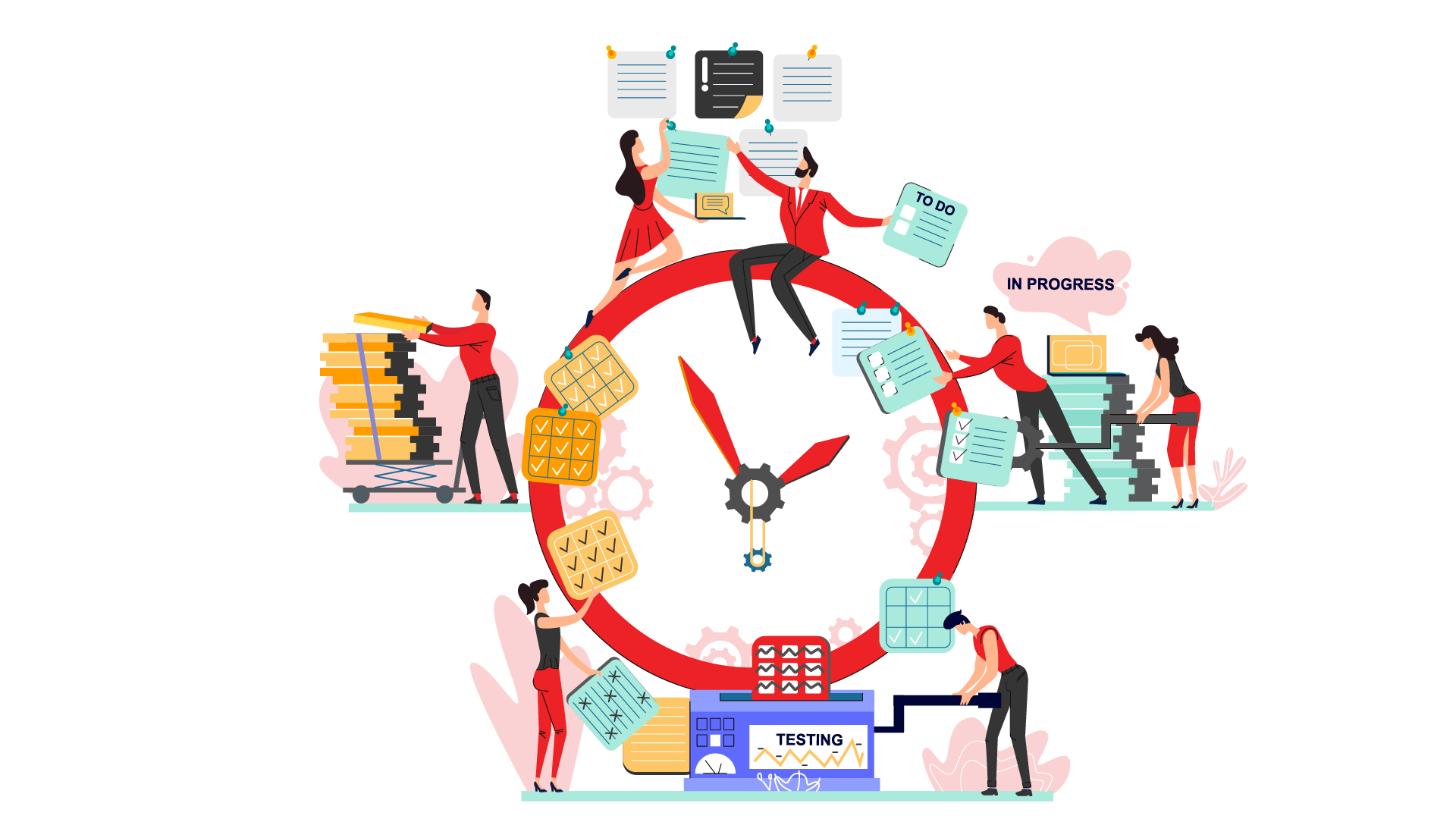
Priorities can be adjusted at any time.
New tasks can be added without disruption.
New tasks can be added to the workflow without disturbing completed or ongoing work.
Outcome: High adaptability with minimal disruption.
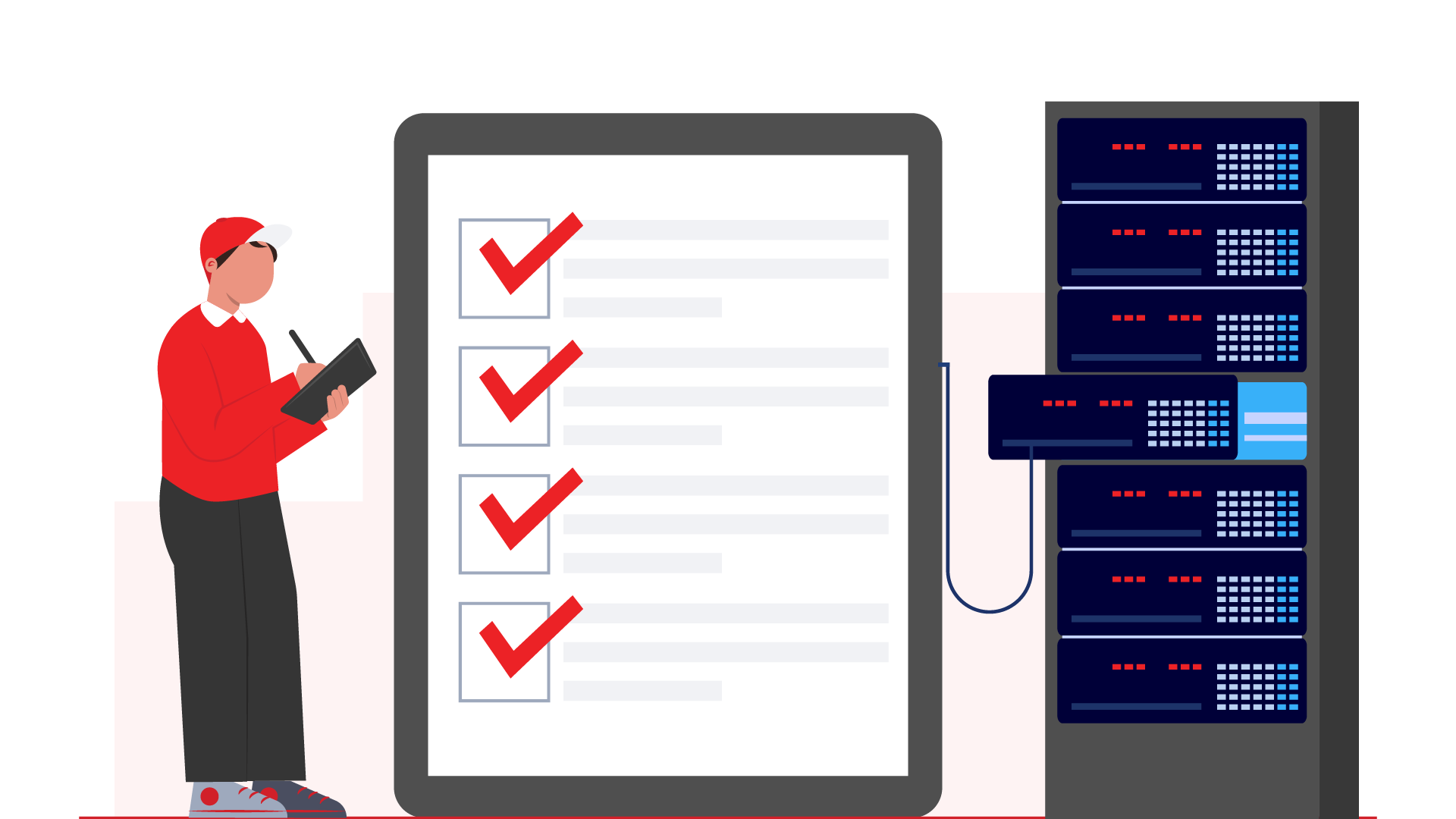
Once a task passes all stages, it is marked as complete.
Completed work is delivered and documented accordingly.
Outcome: Clear completion records and measurable output.
This approach is suitable for:
It works well where requirements evolve gradually over time.
At SaturnCube, this process allows us to:
The emphasis remains on flow efficiency rather than rigid timelines.
Summary:
This working model enables the management of tasks in a structured yet flexible manner. By visualizing work, controlling active tasks, and enabling continuous movement, it ensures clarity and consistency throughout the project lifecycle.
Receive updates, insights, and useful tech information directly in your email.